
Summarize YouTube Videos with Source Timestamps.
Get the structure of a public YouTube video without losing the moments that support each important idea.
Start with one public YouTube link—no sign-up required.
Free guest access · 3 protected requests each day · Sign in for more.
A summary that keeps the video within reach.
- 1
Share the video
Paste a supported public YouTube URL into the workspace.
- 2
Extract the structure
The transcript is organized into an overview, chapters, and key takeaways.
- 3
Verify the ideas
Use each timestamp to return to the source before sharing or acting on the summary.
A YouTube summary should help you decide what to watch.
A long YouTube video can contain one useful explanation hidden among introductions, examples, and repeated points. A structured summary gives you a map before you commit to the full runtime.
The workspace keeps the map connected to the transcript and the original player, so a short summary does not have to become a detached or uncheckable answer.
Use a summary as a reliable starting point.
Pre-watch review
Understand the main arc before choosing which sections to watch.
Research triage
Compare several videos and follow the strongest evidence first.
Team handoff
Share a concise outline with timestamps colleagues can inspect.
The speaker frames the decision around speed, reliability, and reversibility.
A small experiment is used to separate assumptions from observed behavior.
The closing recommendation is to document the trade-off before scaling.
A summary with a visible trail.
The summary compresses the video while each major point remains tied to a moment in playback.
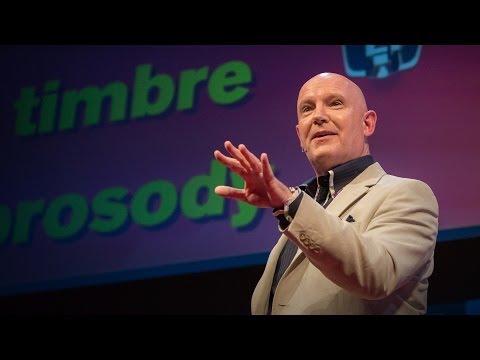
Julian Treasure opens with a practical question: how can we speak in a way that makes people want to listen?
He names habits that make communication harder, from gossip and judging to exaggeration and complaint.
The alternative is HAIL: honesty, authenticity, integrity, and love—four foundations for speaking with trust.
A simple vocal toolbox—register, timbre, prosody, pace, pitch, and volume—helps turn an intention into a clearer message.
What this lesson teaches
Julian Treasure explains how to make speech more worth listening to: remove habits that erode trust, lead with HAIL, then use a few deliberate vocal tools.
Key concepts and takeaways
- Avoid the habits that make listeners tune out.
- Build trust with honesty, authenticity, integrity, and love.
- Use pace, pitch, and volume with intention.
Review checklist
Notice one communication habit that may be making listeners disengage.
Practice one vocal variable before your next important conversation.
Lesson chapters
Important source moments
Questions about YouTube video summaries.
Does the summary include chapters?
A completed result can include an overview, chapters, key takeaways, and timestamped evidence.
Can I verify a summary point?
Yes. Timestamp controls are provided so you can inspect the transcript and original video context.
Can I summarize a private video?
No. The current flow is designed for eligible public YouTube videos with an available transcript.
Is the summary a replacement for watching?
No. Use it to orient yourself, then review the source when nuance or accuracy matters.